
Landscape photography is an art form that allows us to capture the breathtaking beauty of the natural world. It offers a way to connect with nature, preserve precious moments, and create stunning visual narratives. Landscape photography focuses on capturing the vastness, beauty, and grandeur of the natural world. It encompasses a wide range of subjects, including mountains, forests, seascapes, deserts, and more. The goal of landscape photography is to evoke a sense of awe, wonder, and connection with the environment, allowing viewers to immerse themselves in the captured scene.
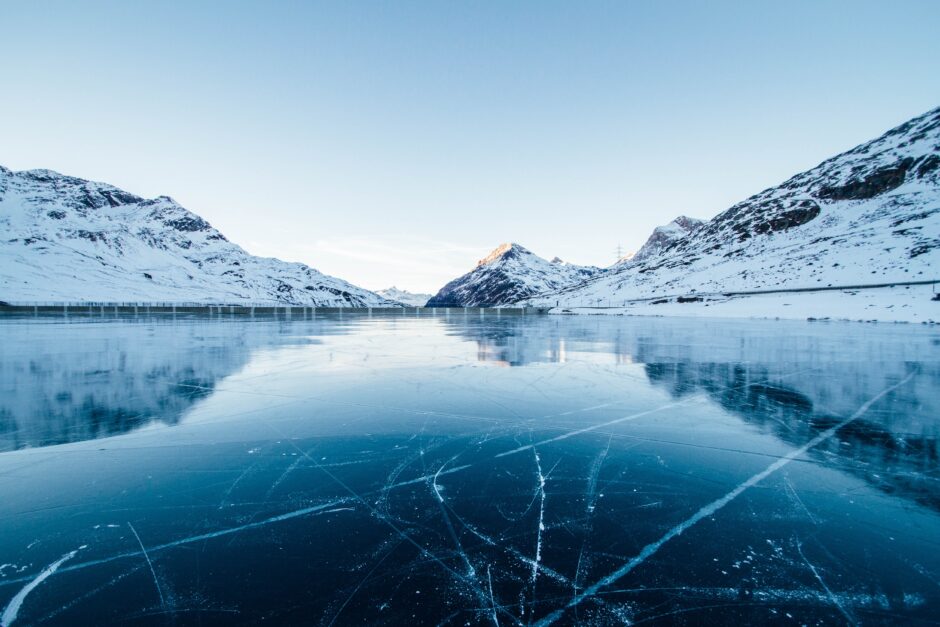
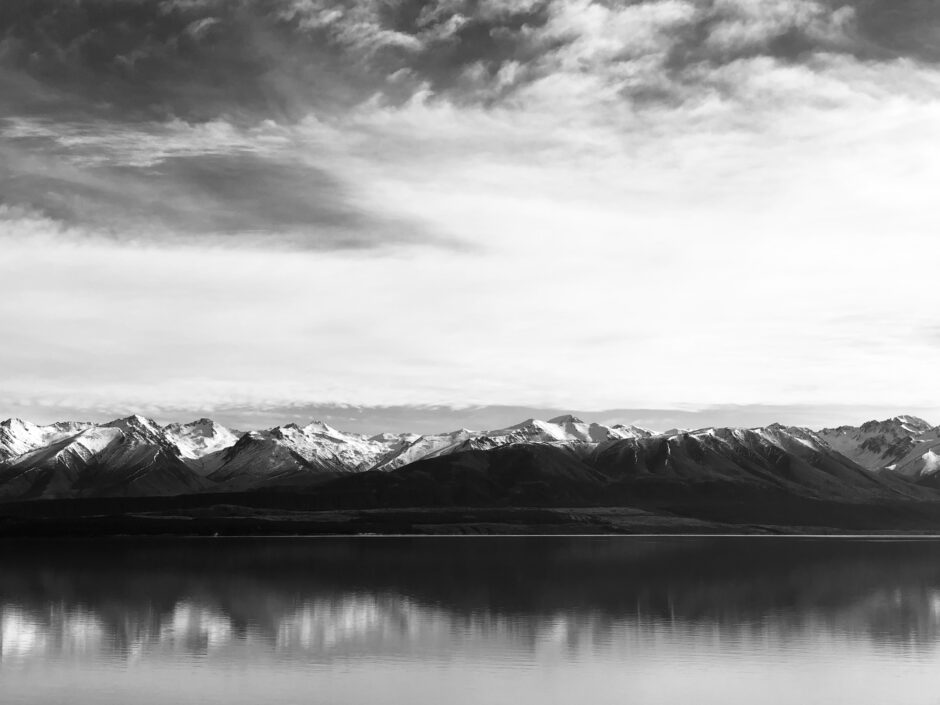
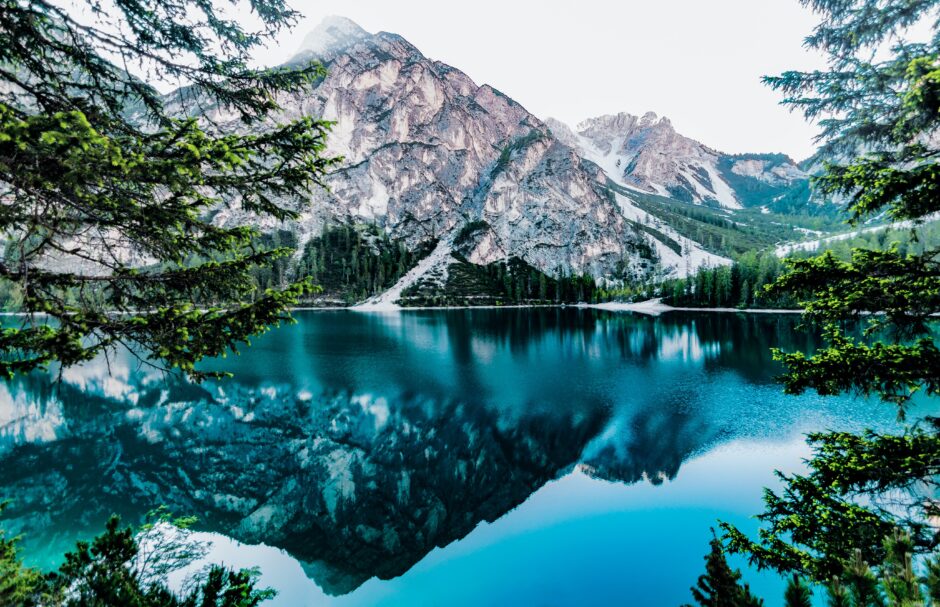
Ansel Adams is widely regarded as one of the greatest landscape photographers of all time. His iconic black and white images of the American West, particularly Yosemite National Park, showcase his meticulous attention to detail and mastery of light. Adams’ work highlights the beauty and serenity of natural landscapes, inspiring generations of photographers.
Galen Rowell was a renowned landscape photographer known for his adventurous spirit and ability to capture dramatic landscapes. His images often showcased the interplay of light and weather conditions, creating breathtaking and dynamic compositions. Rowell’s work exemplifies the power of being in the right place at the right time to capture extraordinary moments.
National Geographic has produced numerous projects focused on showcasing the world’s most stunning landscapes and wildlife. Their “Wild” series captures breathtaking images from diverse locations around the globe, highlighting the beauty and fragility of our planet. These projects offer a wealth of inspiration and showcase the incredible variety of landscapes found on Earth.
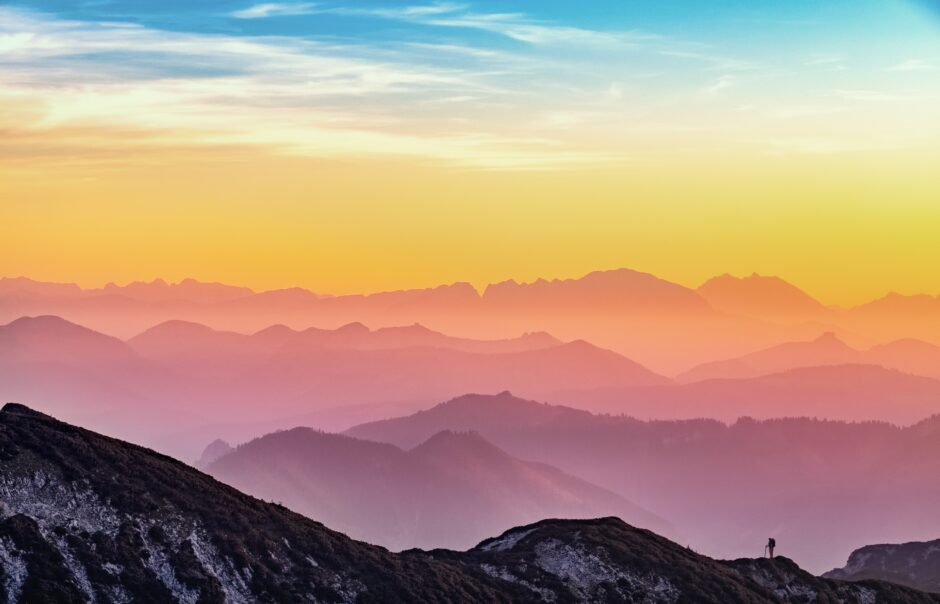
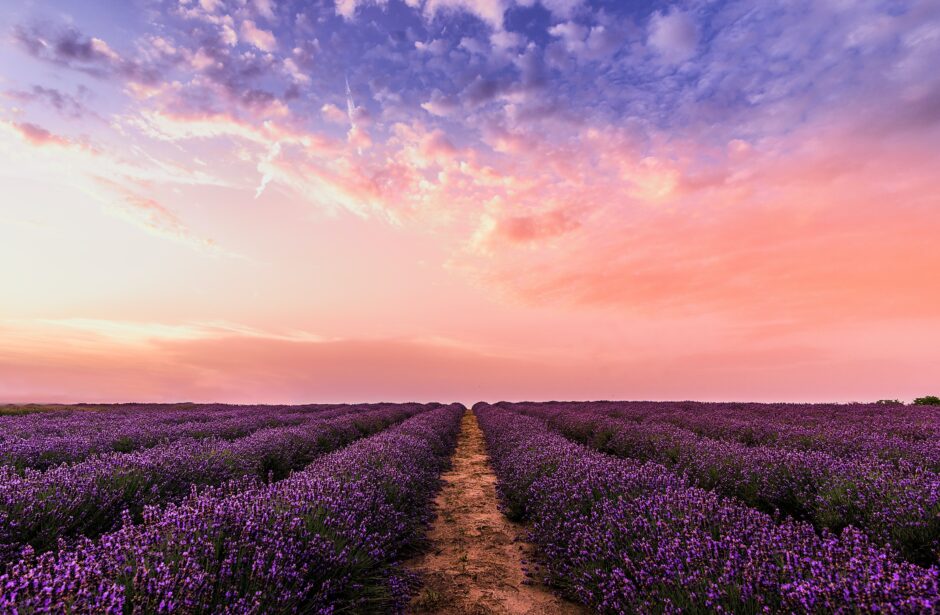
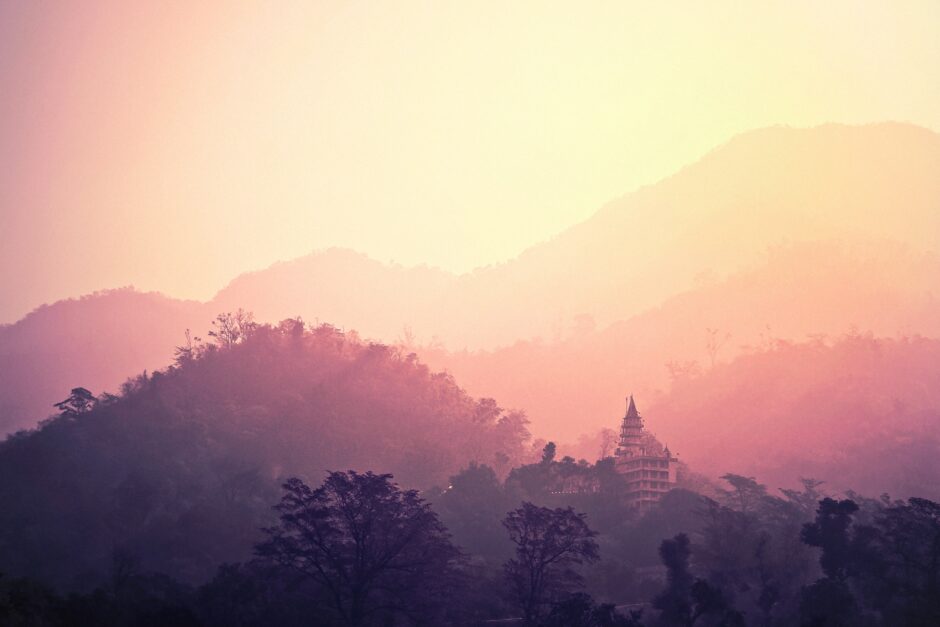
Pay attention to the composition of your shots. Utilize the rule of thirds, leading lines, and foreground interest to create a visually engaging image. Experiment with different perspectives and angles to add depth and dimension to your photos.
The quality of light can make or break a landscape photograph. Golden hour (the hour after sunrise and before sunset) offers soft, warm light that enhances the colors and textures of the landscape. Consider using filters or HDR techniques to balance exposure in high-contrast situations, such as sunrise or sunset scenes.
A sturdy tripod is essential for landscape photography, as it allows you to achieve sharp and steady shots, especially in low-light conditions. Using a remote shutter release or self-timer function helps to minimize camera shake and capture crisp images.
Post-processing can enhance your landscape images and bring out their full potential. Experiment with adjusting exposure, contrast, and colors to achieve the desired mood and atmosphere. However, aim for a natural and balanced look, avoiding excessive editing that may result in an unrealistic portrayal of the scene.
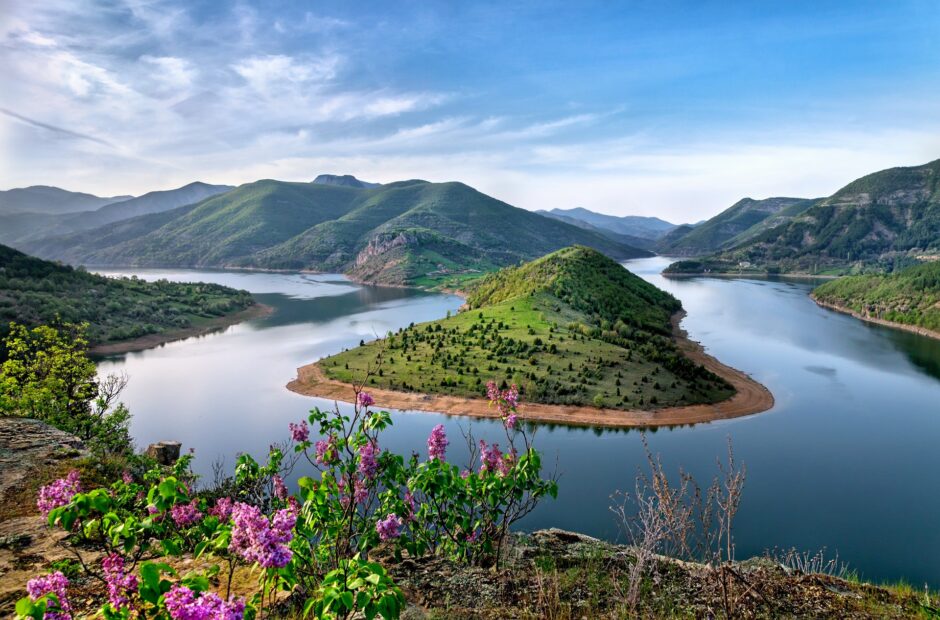
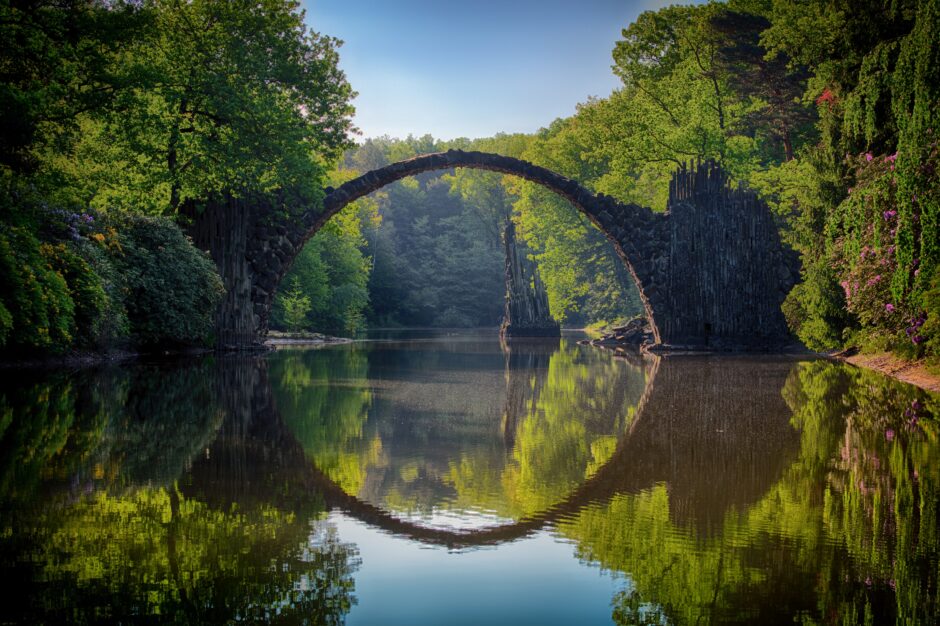
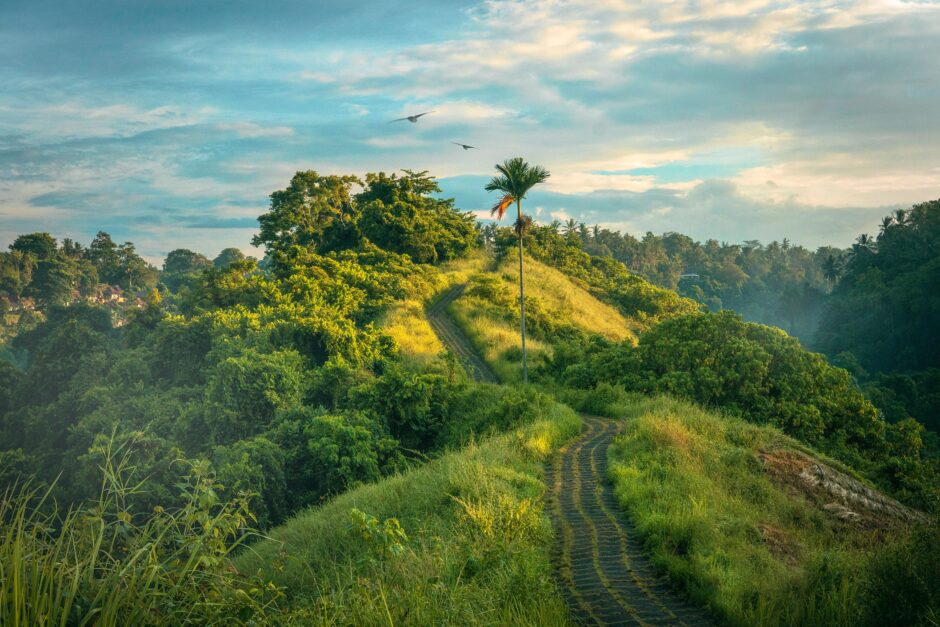
Landscape photography is a captivating art form that allows us to capture the awe-inspiring beauty of the natural world. By understanding the techniques, seeking inspiration from notable photographers, and immersing ourselves in nature’s wonders, we can create breathtaking images that evoke emotions and inspire others. So grab your camera, explore the great outdoors, and unleash your creativity as you embark on a journey to capture the magic of landscapes through the lens of your camera.