
In a world often marked by turbulence and uncertainty, the International Day of Peace serves as a reminder of hope, inviting us all to envision a world where harmony and understanding prevail. Celebrated on September 21st each year, this day encourages people around the globe to come together, promote peace, and work towards a future free from conflict. We’ll delve into the origin and significance of International Day of Peace, and some ways for families or anyone else to participate in this global celebration of peace.
The International Day of Peace, also known as Peace Day, was established by the United Nations in 1981 as a day devoted to worldwide peace and ceasefires. It serves as a reminder of our collective commitment to peace and non-violence, providing an opportunity for individuals, communities, and nations to engage in acts of kindness, compassion, and reconciliation. The significance lies in its message of unity and the belief that, despite our differences, we can all contribute to the creation of a more peaceful world.
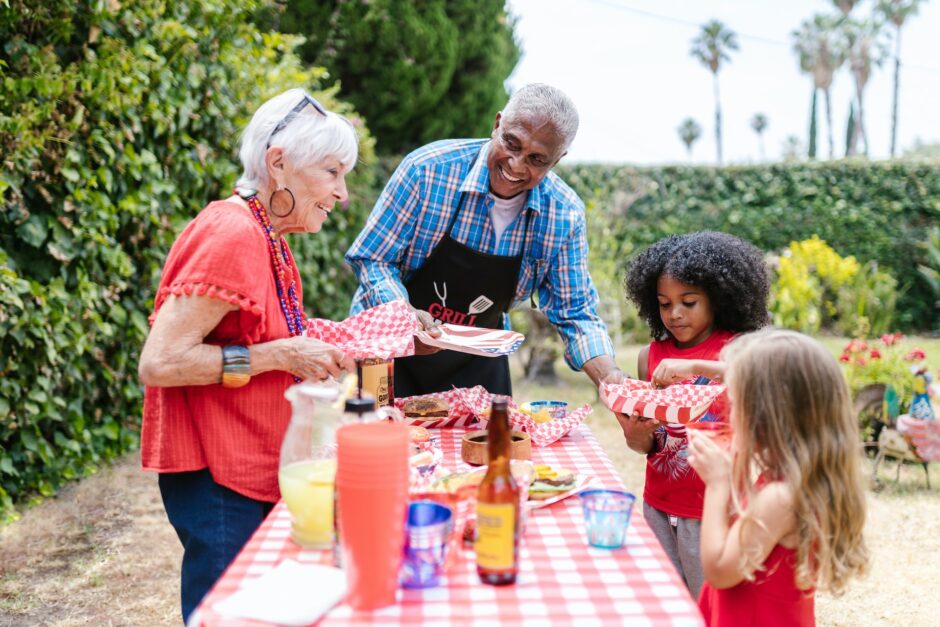

You can explore different cultures through food, music, and activities to promote cross-cultural understanding.
Cultural Picnic for Peace: Organize a picnic in a local park or your backyard, inviting friends and neighbors to join. Encourage everyone to bring a dish from their cultural background to celebrate diversity and unity through food.
Peace Art Project: Engage your children in creating art that symbolizes peace and what it means to them. You can draw, paint, or even create sculptures together, whatever inspires them. Display the artwork in your home or a even community space to inspire others too.
Storytime for Peace: Read books that promote peace, empathy, and understanding. Discuss the stories and their messages with your children to foster compassion and tolerance. Literature is a great way to get another point of view on things.
Garden of Peace: Plant flowers or a peace tree in your garden or a communal green space. As you nurture these plants, talk to your children about how peace requires care and attention, just like a garden. Teach them that just like plants people also cooperate in lots of ways to grow and live together.
Acts of Kindness: Encourage your children to perform acts of kindness throughout the day. It could be helping a neighbor, donating to a charity, or even writing letters of gratitude to essential workers.
Peace Pledge: Create a peace pledge, discuss values and actions that promote peace, and have each family member or even friend agree to a collective commitment of fostering a peaceful home and world whenever possible.
The International Day of Peace is not just a single day but an ongoing effort to promote a culture of peace and non-violence. It encourages individuals and communities to reflect on how they can contribute to a world that values understanding, cooperation, and empathy. As parents, celebrating with your children provides an opportunity to instill these values from a young age. It’s a chance to show them that they have the power to make a positive impact on their surroundings and contribute to a more peaceful world. You’re nurturing the seeds of empathy and compassion in your children, helping them become future advocates for peace.