
Beneath the surface of our world lies a realm of wonder and mystery, and underwater photography allows us to capture and share the breathtaking beauty hidden in the depths. While this art form may seem distant from most people’s lives, it offers a unique and captivating perspective that can inspire curiosity and creativity in young minds. We’ll dive right into the world of underwater photography, uncovering its allure, techniques, and the remarkable photography from those who have ventured into aquatic realms.
Underwater photography is more than just capturing underwater scenes; it’s an immersive experience that invites photographers to explore the aquatic environment, revealing the vibrant marine life and surreal landscapes that exist beneath the waves. Whether it’s the mesmerizing dance of coral reefs, the elegance of marine creatures, or the play of light and water, underwater photography is a medium that can evoke awe and wonder in viewers of all ages.
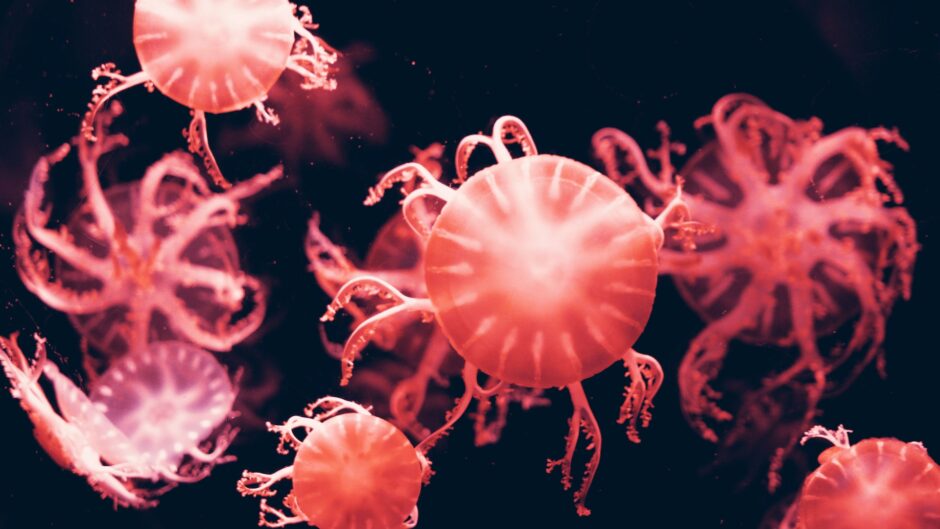
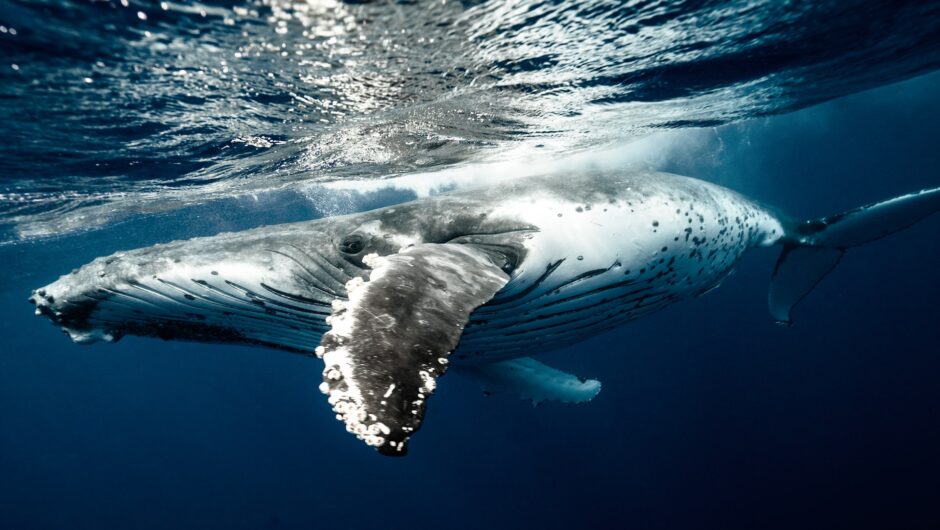
Underwater photographers use specialized cameras and housings designed to withstand the pressure and moisture of aquatic environments. Underwater cameras range from compact point-and-shoots to advanced DSLRs. Many photographers also utilize underwater strobes or natural light to illuminate their subjects. Underwater photography demands a unique set of skills. Buoyancy control, understanding water visibility, and mastering composition in a fluid, three-dimensional space are essential. Learning to anticipate the movements of marine life is also crucial for capturing those fleeting moments.
Underwater photographers often focus on showcasing the diversity and wonder of marine ecosystems. From colorful coral formations to elusive sea creatures like seahorses and turtles, these images not only highlight the beauty of the underwater world but also emphasize the importance of marine conservation. The interplay of light and water creates mesmerizing effects in underwater photography. Sunbeams piercing the surface, caustic patterns on the seabed, and reflections on fish scales add depth and dimension to images.
Several photographers have made significant contributions to the world of underwater photography. Like Jacques Cousteau, renowned for his pioneering work in underwater exploration, Cousteau’s photography and films brought the wonders of the ocean to the world. Or even David Doubilet, known for his stunning National Geographic work. His images offer a unique blend of artistry and marine biology.
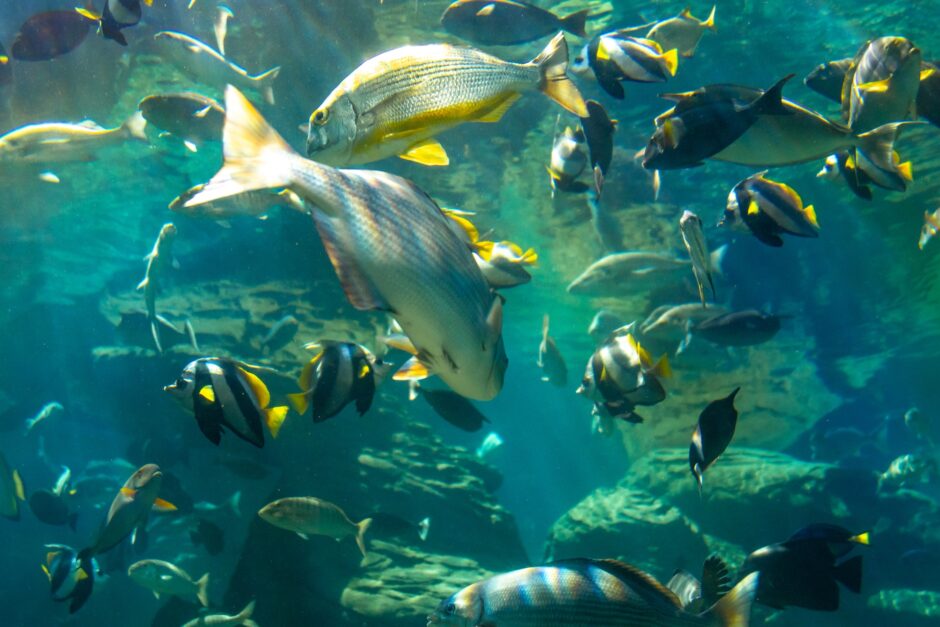
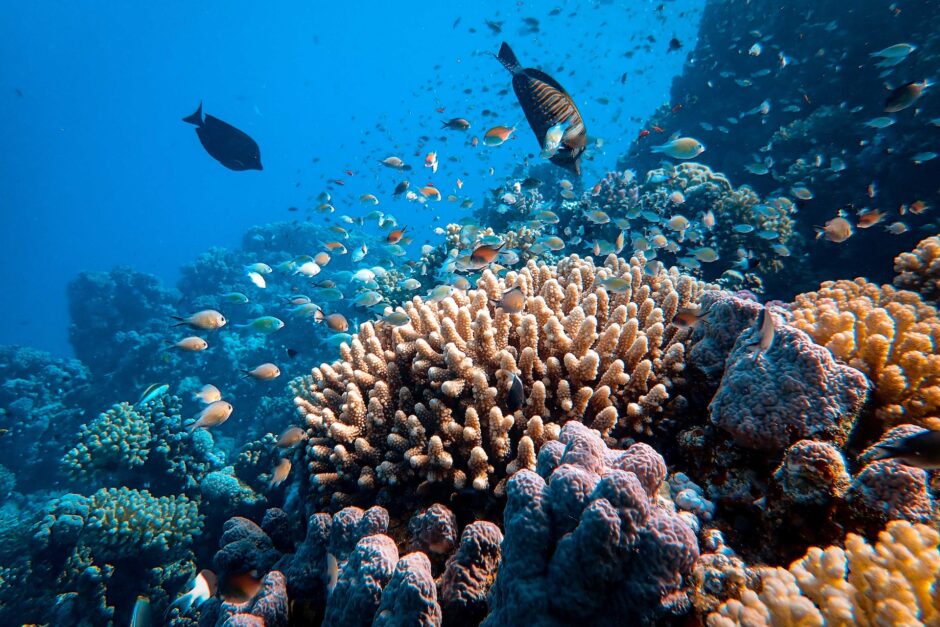
While it may seem that underwater photography is reserved for experts in exotic locations, it can also serve as a source of inspiration and education for children. Here’s how parents can use underwater photography to engage their young explorers:
Virtual Underwater Tours: Explore online galleries of underwater photographs together. Many organizations and photographers offer virtual tours of marine environments, allowing kids to witness the wonders of the ocean from the comfort of home. Many aquariums offer virtual tours and live webcams that allow kids to observe marine life up close.
Marine Biology Lessons: Underwater photographs can be used as visual aids for teaching children about marine life. Discuss the different species, their habitats, and the importance of preserving ocean ecosystems.
Creative Art Projects: Encourage children to create their own underwater-themed art or craft projects. They can draw or paint underwater scenes, make marine-themed dioramas, or even experiment with watercolor techniques to mimic the fluidity of underwater photography.
Marine Conservation Awareness: Use underwater photography as a starting point for discussions about marine conservation. Teach children about the importance of protecting our oceans and the role they can play in preserving these precious ecosystems.
Underwater photography invites us to embark on a journey to the heart of our planet’s oceans, revealing a world of mesmerizing beauty and ecological significance. While parents may not be professional underwater photographers, they can certainly use this art form to inspire their children’s curiosity and appreciation for the wonders of the ocean. Whether through virtual tours, creative projects, or marine biology lessons, the art of underwater photography has the power to ignite a lifelong passion for exploration and conservation in the next generation.